When Should You Replace a Cat Litter Box? Signs, Timing, and a Smooth Switch (No Stress for Your Cat)

A litter box isn’t meant to last forever. Even if it still “looks fine,” tiny scratches, trapped residue, and lingering odor can build up over time. That can lead to stronger smells at home—and in some cases, litter box avoidance.
This guide explains when to replace a litter box, how often to do it, what signs to watch for, and how to switch boxes without accidents.
Table of Contents
-
Quick Answer: When to Replace a Litter Box
-
8 Clear Signs It’s Time for a New Litter Box
-
How Often Should You Replace a Litter Box? (By Type)
-
Why Old Litter Boxes Start Smelling (Even After Cleaning)
-
How to Switch to a New Litter Box (Step-by-Step)
-
Special Cases: Kittens, Seniors, and Multi-Cat Homes
-
FAQs
Quick Answer: When to Replace a Litter Box
Replace your litter box when:
-
it has deep scratches, cracks, or warped plastic,
-
odor lingers even after thorough cleaning,
-
your cat suddenly avoids it,
-
or it’s simply too small for your cat to comfortably turn around.
For many households, a standard plastic litter box benefits from replacement every 6–12 months, depending on usage and cleaning routine.
8 Clear Signs It’s Time for a New Litter Box
1) The smell won’t go away—even after a deep clean
If you’ve washed it, rinsed it well, dried it completely, and the smell still returns quickly, odor may be trapped in scratched plastic or seams.
2) Visible scratches, rough patches, or a cloudy interior
Plastic develops micro-scratches from scooping and digging. Those scratches hold residue and bacteria more easily.
3) Cracks, warping, or leaks
Any crack becomes a “trap” for odor and moisture. Warping can also make your box harder to clean properly.
4) Your cat starts peeing outside the box (and health is ruled out)
Litter box avoidance can happen when a box feels dirty, smells strong, or becomes uncomfortable.
5) It’s too small now
Cats grow. If your cat can’t turn around comfortably, they may step partly out or spray higher than the walls.
6) The box has become difficult to clean
If corners, seams, or parts are hard to access, residue accumulates faster.
7) You’re scooping more often but odor still escalates
That’s often a sign the box itself is holding odor, not just the litter.
8) You’ve had the same box “forever”
Even with good cleaning, materials age. If you can’t remember when you last replaced it, it’s worth checking for the signs above.
How Often Should You Replace a Litter Box? (By Type)
The “right” replacement schedule depends on the material, how many cats you have, and how intensively the box is used.
Standard plastic litter box
-
Common range: 6–12 months
-
Sooner if: multiple cats, aggressive digging, strong odor issues, visible scratching
High-quality, smoother-surface boxes (easier to rinse clean)
-
Often lasts longer if the surface resists scratching and is easy to wash
Self-cleaning litter box units
With automatic boxes, “replacement” is less about throwing out the entire unit and more about:
-
keeping the waste compartment and any liners/containers fresh,
-
maintaining odor-control parts (if used),
-
and replacing components as recommended.
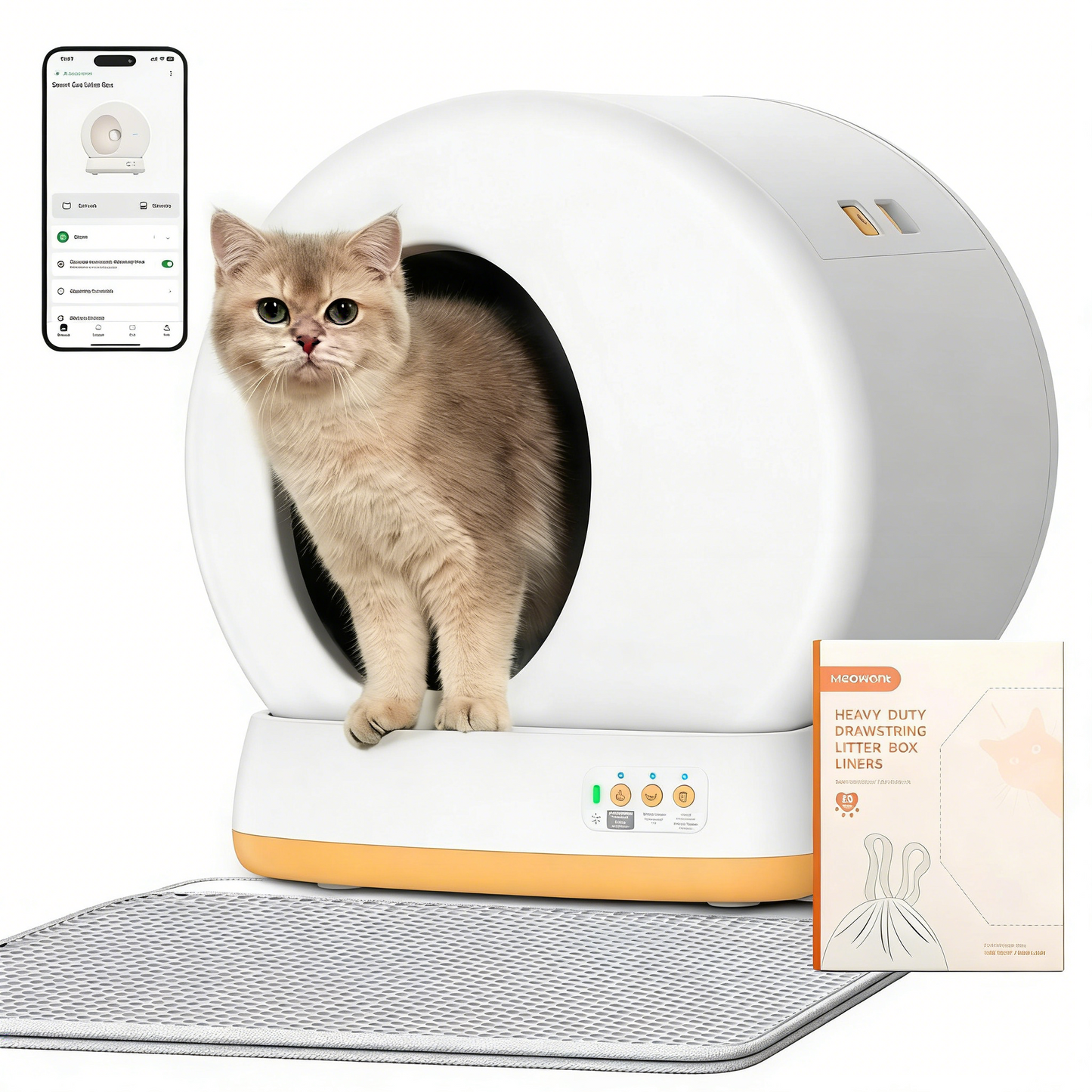
If you’re considering an upgrade to reduce daily maintenance and improve consistent cleanliness, here’s a self-cleaning option to start with:
https://www.littercore.com/products/littercore-self-cleaning-cat-litter-box-mw-sc02
Why Old Litter Boxes Start Smelling (Even After Cleaning)
A litter box can smell “fine” for months and then suddenly become difficult to keep fresh. Common reasons include:
-
Micro-scratches: Urine and residue cling in tiny grooves and are harder to fully remove.
-
Seams and corners: Residue can hide in edges where scrubbing doesn’t reach well.
-
Absorbed odor: Some materials hold odor over time, especially if the box wasn’t fully dried after washing.
-
High humidity: Moist environments can make odor linger longer and intensify faster.
If your home frequently has a strong “ammonia” smell despite scooping, the box itself may be part of the problem.
How to Switch to a New Litter Box (Step-by-Step)
Cats love routine. A “sudden replacement” can trigger confusion or accidents. Here’s a simple transition that works for most cats:
Step 1: Put the new box in the same location
Keep the bathroom spot consistent. Location changes cause more problems than box changes.
Step 2: Use the same litter (at first)
Don’t change box + litter + location all at once. Keep variables stable.
Step 3: Add a small amount of used litter
This makes the new box smell familiar and encourages immediate use.
Step 4: Keep the old box available for 2–5 days (if possible)
Let your cat “choose” the new one naturally. Once they consistently use the new box, remove the old one.
Step 5: Clean accidents correctly
If accidents happen, don’t punish. Clean with an enzyme cleaner so the spot doesn’t become a repeat bathroom.
Special Cases: Kittens, Seniors, and Multi-Cat Homes
Kittens
-
Choose a box with a low entry.
-
Keep the box very accessible and close to their main area.
Senior cats
-
Low-entry access matters even more.
-
Avoid high walls that require stepping up.
Multi-cat homes
More traffic means faster wear, faster odor buildup, and more competition.
A widely used guideline is one litter box per cat + one extra to reduce stress and avoidance.
When “Replacing” Might Mean “Upgrading”
If you’ve replaced plastic boxes repeatedly due to odor, mess, or constant cleaning time, you may prefer a solution that keeps the surface cleaner more consistently.
If you want to reduce daily effort and maintain a consistently clean experience for your cat, you can check this self-cleaning litter box here:
https://www.littercore.com/products/littercore-self-cleaning-cat-litter-box-mw-sc02
FAQs
Q1: Can I just deep-clean my old litter box instead of replacing it?
If the box has no scratches, no cracks, and no lingering odor after a thorough wash and complete drying, deep cleaning may be enough. But if odor returns quickly or the interior is scratched, replacement often works better.
Q2: What’s the best way to clean a litter box?
Warm water + mild soap is usually effective. Rinse thoroughly and dry completely before refilling. Avoid harsh chemical smells that may deter your cat.
Q3: My cat stopped using the litter box—does that mean I need a new one?
Not always. First check for health issues, then look at cleanliness, location, litter type, and stress factors. If the box is old/scratched and smells, replacement can help.
Q4: Does a covered box last longer?
Not necessarily. Covered boxes can trap humidity and odor if ventilation is poor. Longevity depends more on material and how easy it is to clean.
Q5: How do I prevent odor buildup in the future?
Scoop daily, do regular full refreshes, keep the area ventilated, and replace worn boxes before scratches and odor become a problem.