Litter Box Training Your Kitten: A 7-Day Plan for Fast, Stress-Free Success

Table of Contents
-
Before You Start: What Makes Training Easy
-
Choosing the Right Litter Box for a Kitten
-
Size & Entry Height
-
Open vs. Covered Boxes
-
Litter & Texture Basics
-
-
Best Litter Box Placement at Home
-
How to Litter Box Train a Kitten (7-Day Plan)
-
Switching to a New Litter Box Without Accidents
-
Troubleshooting: Why Your Kitten Won’t Use the Box
-
Quick Recap Checklist
-
FAQs
Before You Start: What Makes Training Easy
Most kittens naturally prefer to eliminate in a soft, diggable surface—so training is usually about making the “right choice” the easiest choice.
You’ll get the best results when you focus on three things:
-
a box your kitten can enter easily,
-
a quiet, consistent location,
-
a predictable routine (especially after meals, naps, and play).
The first week matters most. Keep the setup simple and avoid changing too many variables at once.
Choosing the Right Litter Box for a Kitten
1) Size & Entry Height
Pick a litter box that allows your kitten to:
-
step in without climbing,
-
turn around comfortably,
-
dig without spilling everything out.
A low front entry is especially helpful for small kittens. Higher side walls can reduce scatter as your kitten grows, but make sure the entrance stays easy.
2) Open vs. Covered Boxes
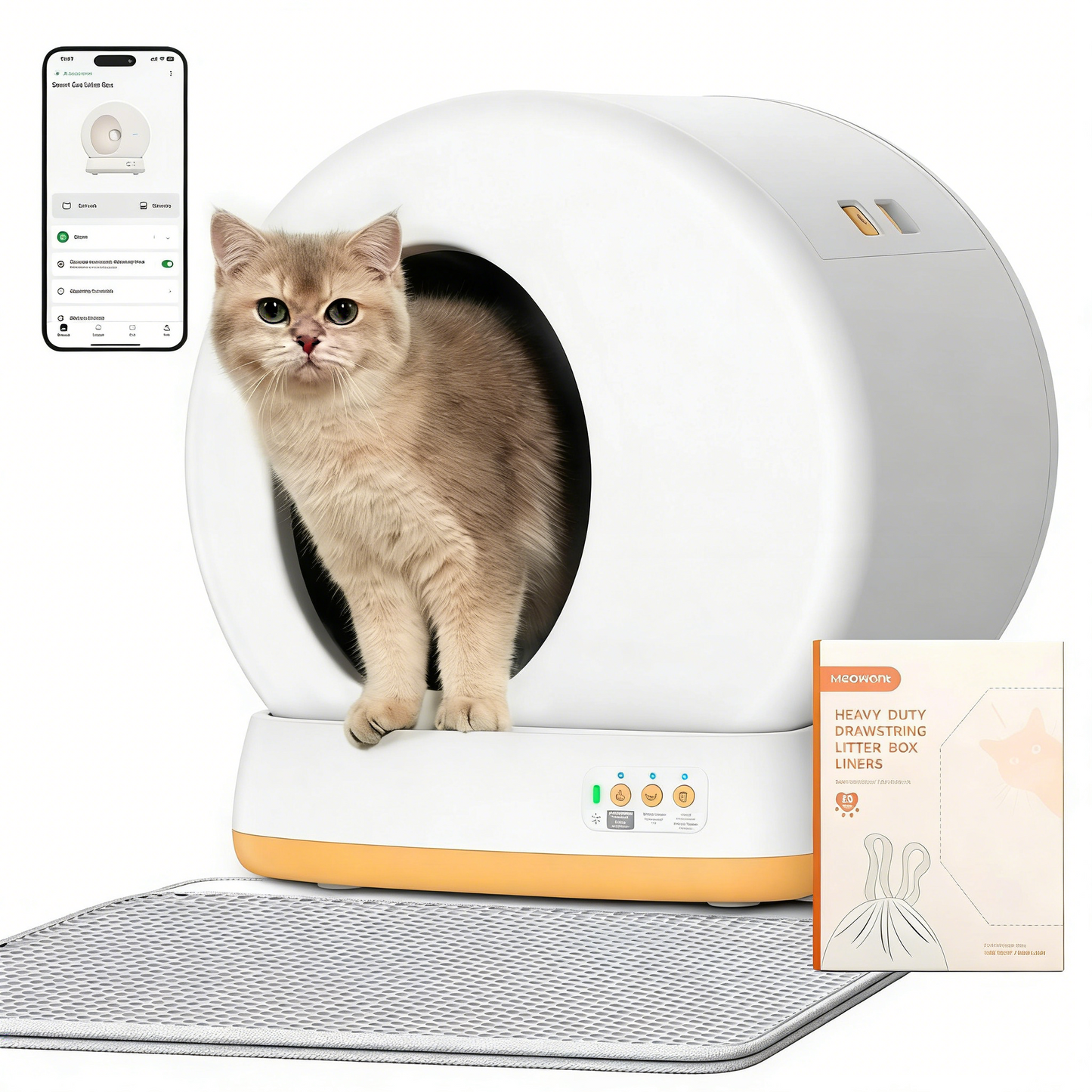
Many kittens do best with an open box at first because it feels less intimidating and provides easy exit routes. Covered boxes can be introduced later once your kitten is confident.
If you use a covered box early:
-
ensure good airflow,
-
avoid strong odor buildup,
-
and keep the interior clean (kittens may avoid anything that smells too strong).
3) Litter & Texture Basics
Choose a litter that is:
-
easy to dig in,
-
not overly dusty,
-
not heavily perfumed (strong scent can discourage some kittens).
Keep litter depth moderate—deep enough to dig, but not so deep that a tiny kitten feels unstable.
Best Litter Box Placement at Home
Placement can make or break training.
Choose a location that is:
-
quiet (away from loud appliances and heavy foot traffic),
-
easy to access (no blocked doors or scary hallways),
-
separate from food and water.
If your home has multiple floors, place a box on each main level during training so your kitten doesn’t have to travel far.
How to Litter Box Train a Kitten (7-Day Plan)
Day 1: Introduce the Box Calmly
-
Bring your kitten to the litter box and let them sniff.
-
Gently place them inside for a few seconds.
-
Use your fingers to lightly scratch the litter (demonstrating “digging”).
-
Let your kitten step out on their own—don’t force them to stay.
Repeat after meals. Keep the moment calm and short.
Days 2–3: Build a Predictable Pattern
For the first few days, guide your kitten to the box:
-
after every meal,
-
after every nap,
-
after active play.
These are common times kittens need to go. Stay nearby but don’t hover.
If your kitten uses the box:
-
offer gentle praise,
-
then allow them to leave immediately.
If an accident happens:
-
do not scold or punish (this can create fear and worsen avoidance),
-
clean the area thoroughly,
-
use an enzyme-based cleaner to remove odor residue (so the spot doesn’t become a repeat “bathroom”).
Days 4–7: Expand the Space Slowly
If accidents continue, simplify the environment:
-
keep your kitten in one “training room” (bed, food, water, toys, litter box),
-
once box use is consistent, gradually allow access to more rooms.
Keep the litter box location stable. Moving the box too often can slow progress.
Switching to a New Litter Box Without Accidents
When upgrading or changing the litter box, transition gradually:
-
Put the new box in the same location as the old one.
-
Use the same litter type and similar litter depth.
-
Add a small amount of used litter to the new box (familiar scent helps).
-
Keep both boxes available for a few days.
-
Once your kitten consistently uses the new box, remove the old one.
Avoid running loud devices or making sudden changes near the box during this transition.
Troubleshooting: Why Your Kitten Won’t Use the Box
1) Check health first
If your kitten is straining, crying, urinating frequently in tiny amounts, or you see blood in urine, contact a vet. Discomfort can cause avoidance.
2) Fix one variable at a time
If health is ruled out, troubleshoot calmly:
-
Is the box too tall to enter easily?
-
Is the box too small to turn around?
-
Is the location noisy or stressful?
-
Is the litter strongly scented or very dusty?
-
Is the box not cleaned often enough?
Change one factor and wait a few days before changing another—otherwise you won’t know what worked.
Quick Recap Checklist
-
Use a low-entry box that’s easy to step into
-
Place it in a quiet, accessible spot
-
Scoop daily and keep odors low
-
Guide your kitten to the box after meals/naps/play
-
Clean accidents with enzyme cleaner
-
Expand your kitten’s roaming space gradually
FAQs
Q1: How long does litter box training take?
Many kittens learn the basics in a few days, and most become consistent within 1–2 weeks with a stable setup and routine.
Q2: How deep should litter be for kittens?
Start with a moderate depth (often around 1–2 inches / 2.5–5 cm). Adjust based on your kitten’s digging habits and whether clumps stick to the bottom.
Q3: Should I use a covered litter box for a kitten?
Open boxes are often easier for training. Covered boxes can work later once your kitten is confident and the box stays clean and well-ventilated.
Q4: How many litter boxes do I need?
A common guideline is one per cat plus one extra—especially helpful in multi-cat homes to reduce stress and accidents.
Q5: My kitten keeps using the same corner. What should I do?
Clean the area with enzyme cleaner, block access temporarily if possible, and place a litter box closer to that spot during retraining. Then gradually move the box to your preferred location.